01.06.26
HIGHLIGHTS FROM CLERKENWELL DESIGN WEEK 2026
Download report
Clerkenwell Design Week returned this year with an even bigger programme of showroom events, installations and product launches across Clerkenwell. As always, the festival offered a useful snapshot of the ideas currently shaping workplace and commercial interiors, from circular design principles and material experimentation to more flexible and hospitality-led environments.
A number of this year's launches explored how furniture can support longer lifecycles through modularity, repairability and adaptable design, while others focused on tactility, craftsmanship and softer workplace aesthetics.
The talks programme ran alongside, with AI in the design process generating strong discussion. Our Group Technology Director Doug Bodenham joined Colin McGadie of For Everyday Life and Sam Edmonds of Corgan for a panel at Ocee Design - In the Age of AI: Who's Shaping the Spaces We Create? - which explored how these tools are reshaping architectural practice and whether they can ever replicate the moment of genuine human connection that good design creates. The discussion covered how studios are using these tools in practice - for visualisation, specification and the more process-heavy parts of the job - and where the work still depends on the kind of judgement and emotional intelligence that comes from being in the room with a client.
On the circularity side, Future Works - our innovation venture - brought a pop-up version of the Circular Hub to Ahrend's showroom in collaboration with MCM Architecture. First developed for the Workspace Design Show earlier this year, the Hub was conceived as an open working space designed to make circular principles tangible, with every material and construction decision chosen to demonstrate how reuse, biodegradability and design for disassembly can work as a system. The CDW iteration was integrated into Ahrend’s exhibition space designed for reuse, built using transport packaging from Ahredn's own Qabin Booths and designed to be dismantled and reused again afterwards. It drew strong engagement across all three days, and by popular demand the roadshow is set to continue.
Here are some of the products that stood out to us during CDW 2026
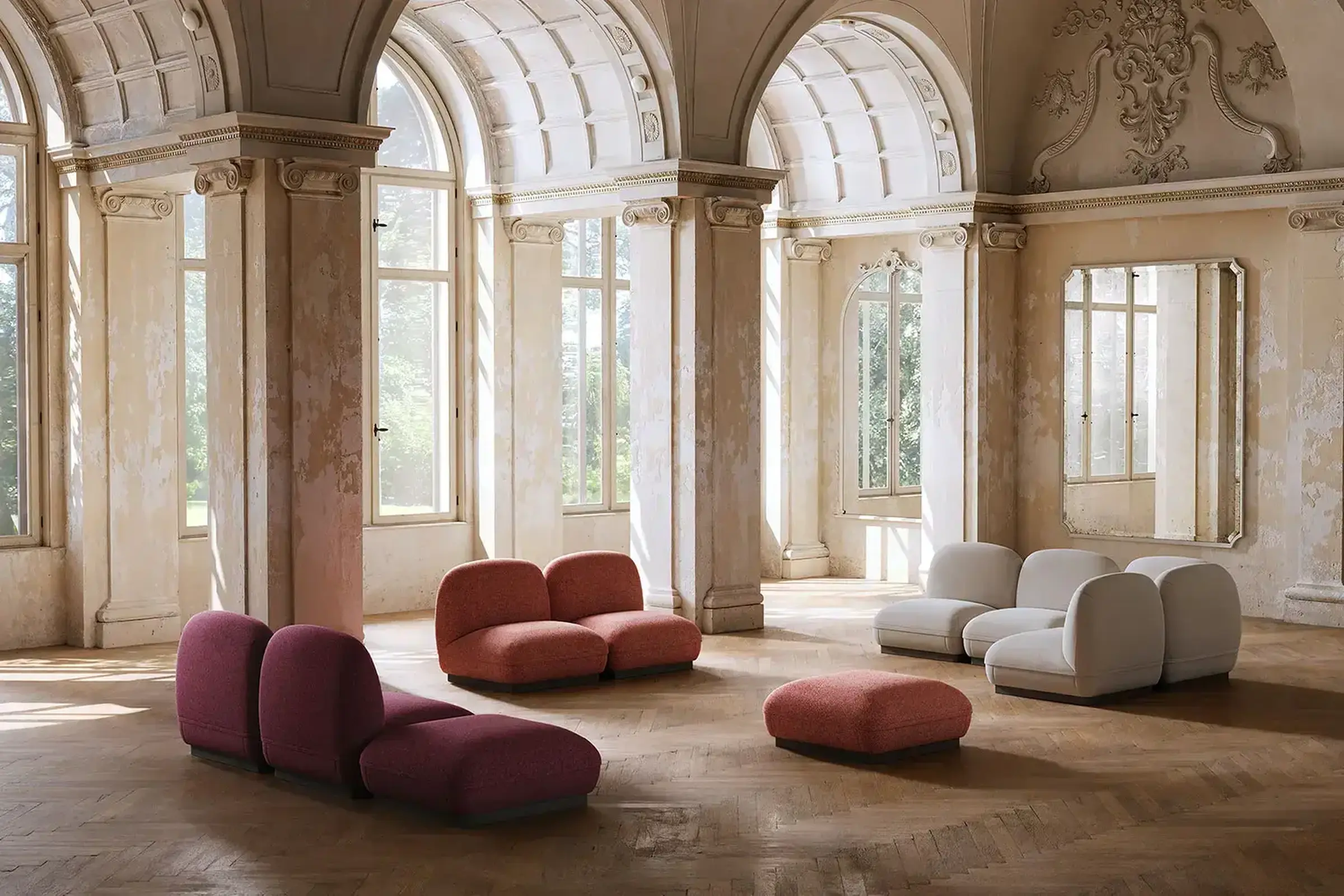
COOMO, Bene
COOMO, Bene
Circularity was a recurring theme across this year’s festival, and Bene’s COOMO stood out for approaching it in a genuinely practical way. Designed as a modular upholstered system, the collection incorporates removable covers and replaceable components that allow pieces to be repaired, updated and reconfigured over time. Rather than focusing solely on recycled content or certifications, COOMO explored how longevity can be built directly into the structure of a product.
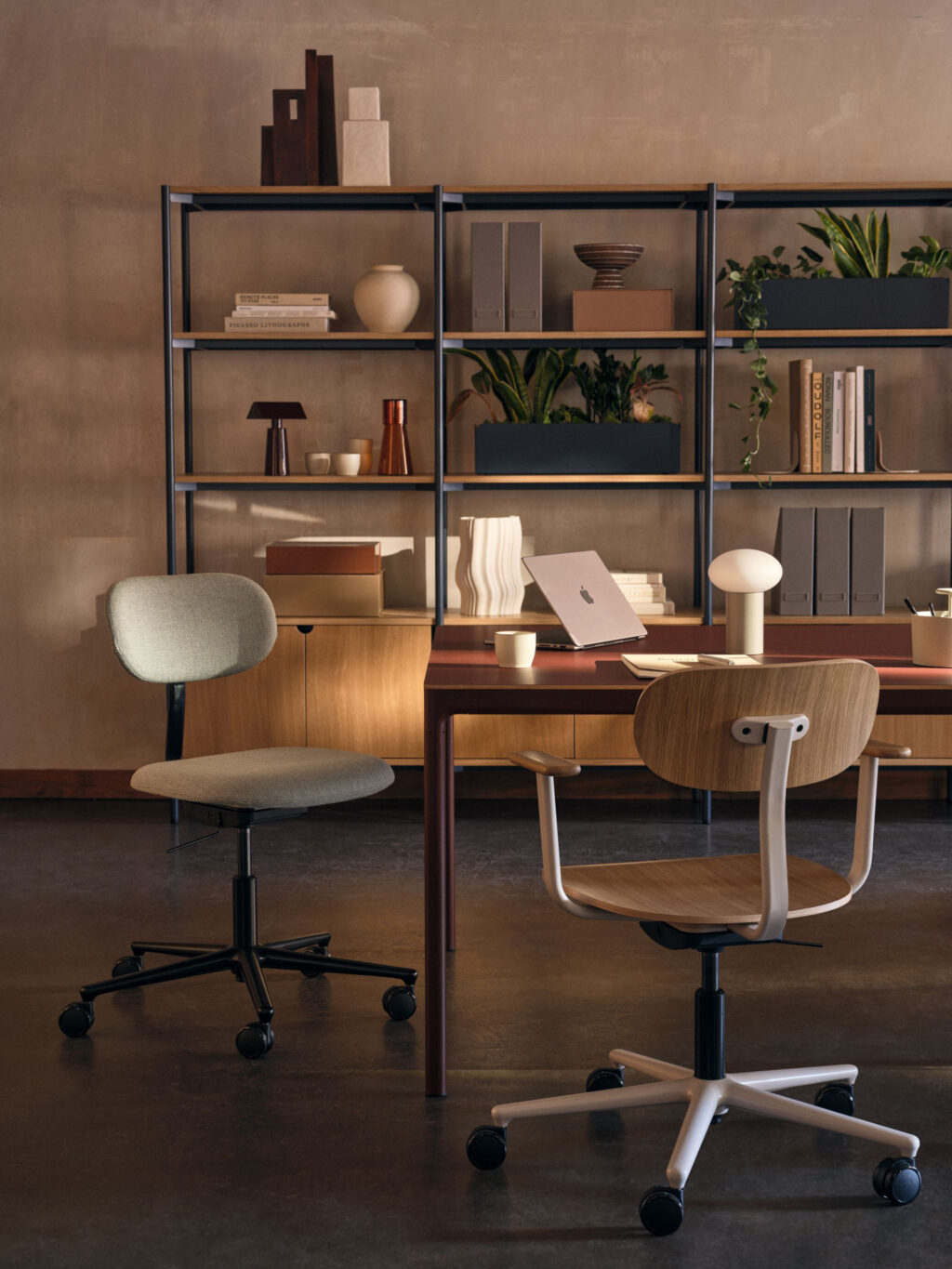
PLC Studio, Modus
Lotti, Naughtone
PLC Studio, Modus
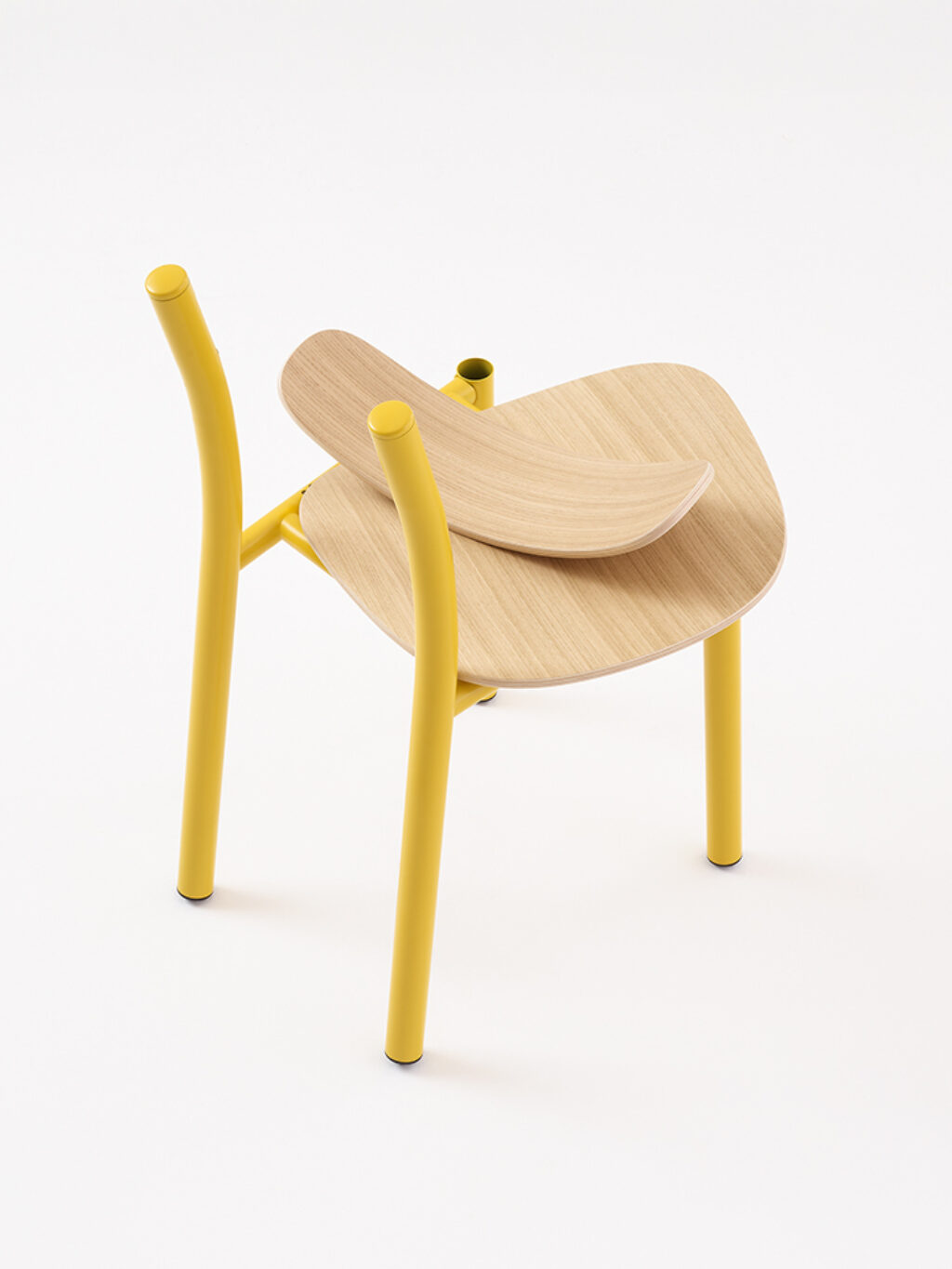
Modus presented PLC Studio as part of a wider conversation around repairability and product lifespan. Designed to support a repair economy, the chair has been developed with disassembly and replacement in mind, encouraging maintenance over disposal. At a time when conversations around embodied carbon are becoming increasingly central to furniture specification, the project offered a thoughtful example of how sustainability can extend beyond material choices alone.
Lotti, NaughtOne
NaughtOne’s updated Lotti café chair demonstrated how familiar workplace and hospitality typologies are continuing to evolve through more sustainable manufacturing approaches. While visually understated, the revised collection incorporates more environmentally conscious materials without losing the simplicity and durability that made the original successful. In many ways, it reflected a broader shift towards quieter, more incremental forms of sustainable design innovation.
Gruuvelot, Moroso
Gruuvelot, Moroso
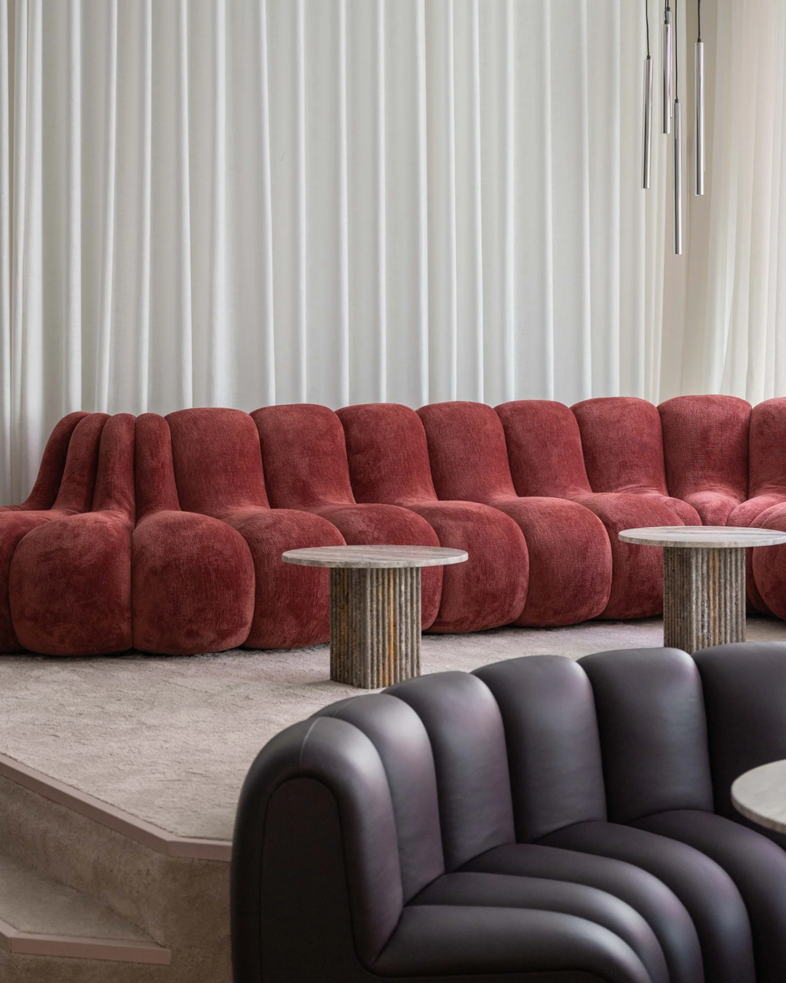
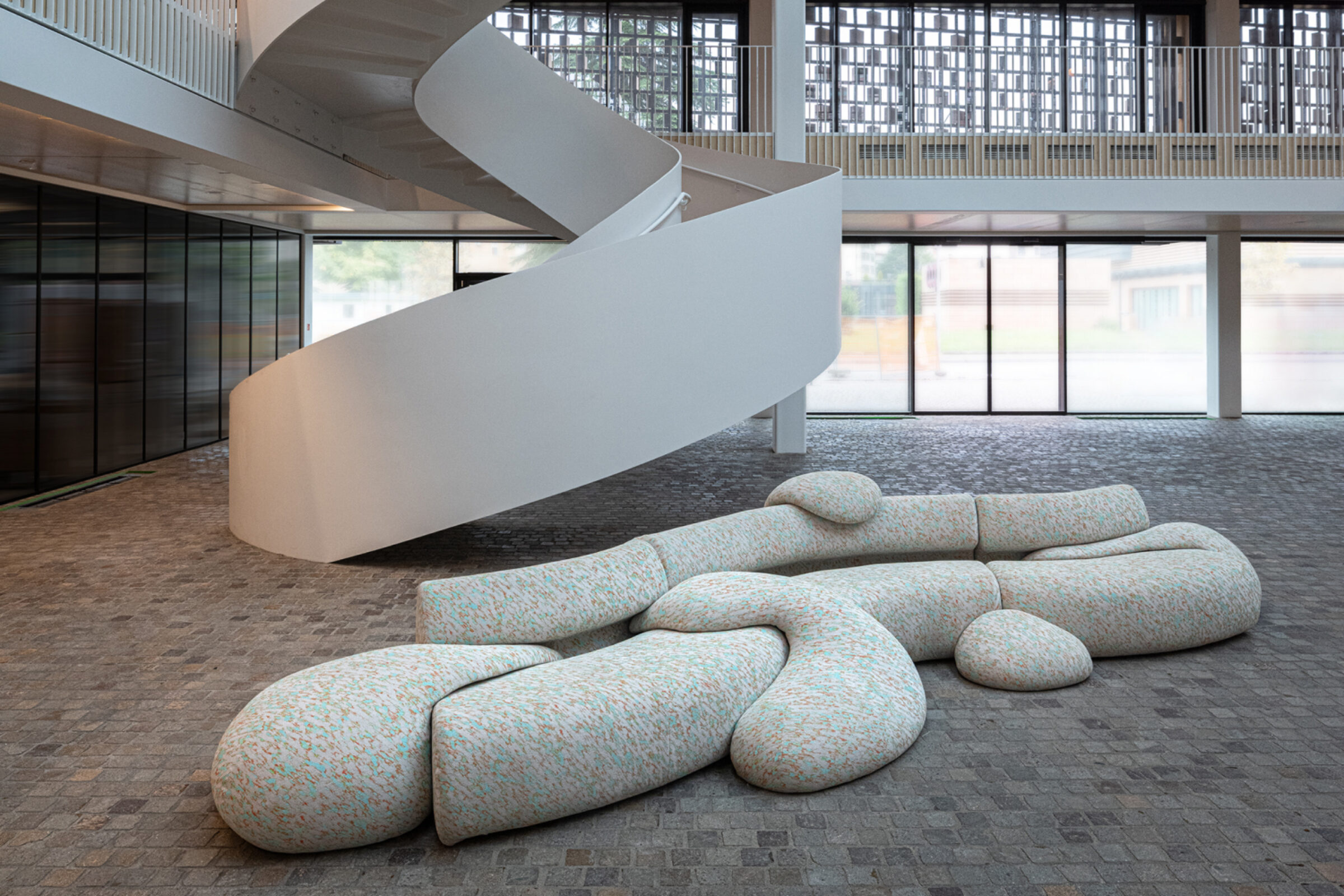
Among the more sculptural pieces on show, Moroso’s Gruuvelot brought a sense of playfulness and character to the festival. Defined by exaggerated curves and generous proportions, the collection felt intentionally expressive while still prioritising comfort and usability. The piece reflects the continued move towards softer, hospitality-inspired environments that place equal emphasis on atmosphere and function.
Cinta Wood Arm Chair, REDDIE
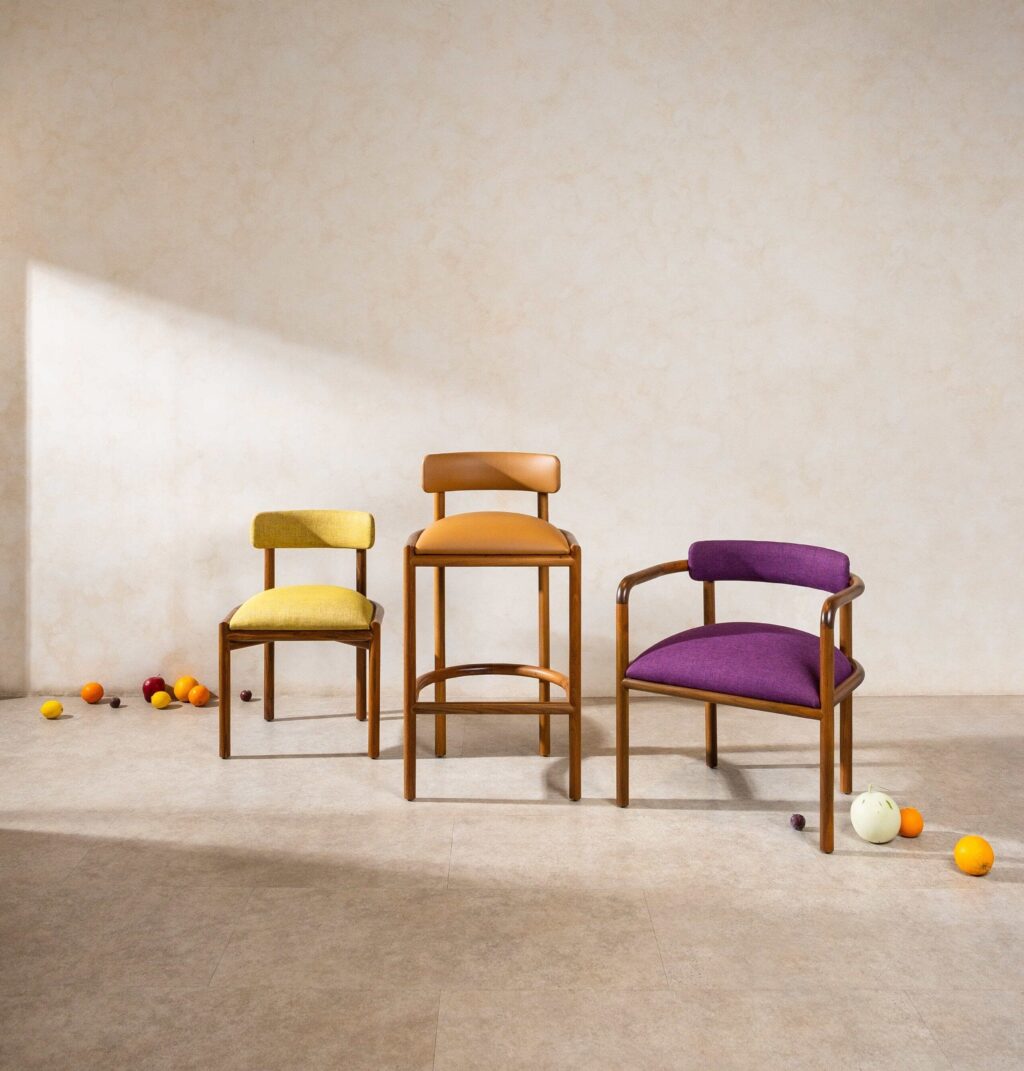
Australian furniture brand REDDIE made its European debut during Clerkenwell Design Week with the opening of its new Clerkenwell showroom. Among the collection, the Cinta Wood Arm Chair stood out for its use of reclaimed teak, with visible markings and imperfections retained as part of the material’s character rather than concealed. Produced in collaboration with craftspeople in Java, Indonesia, the chair reflects the brand’s wider focus on craftsmanship, material reuse and long-term durability.
Koi, Pointhouse
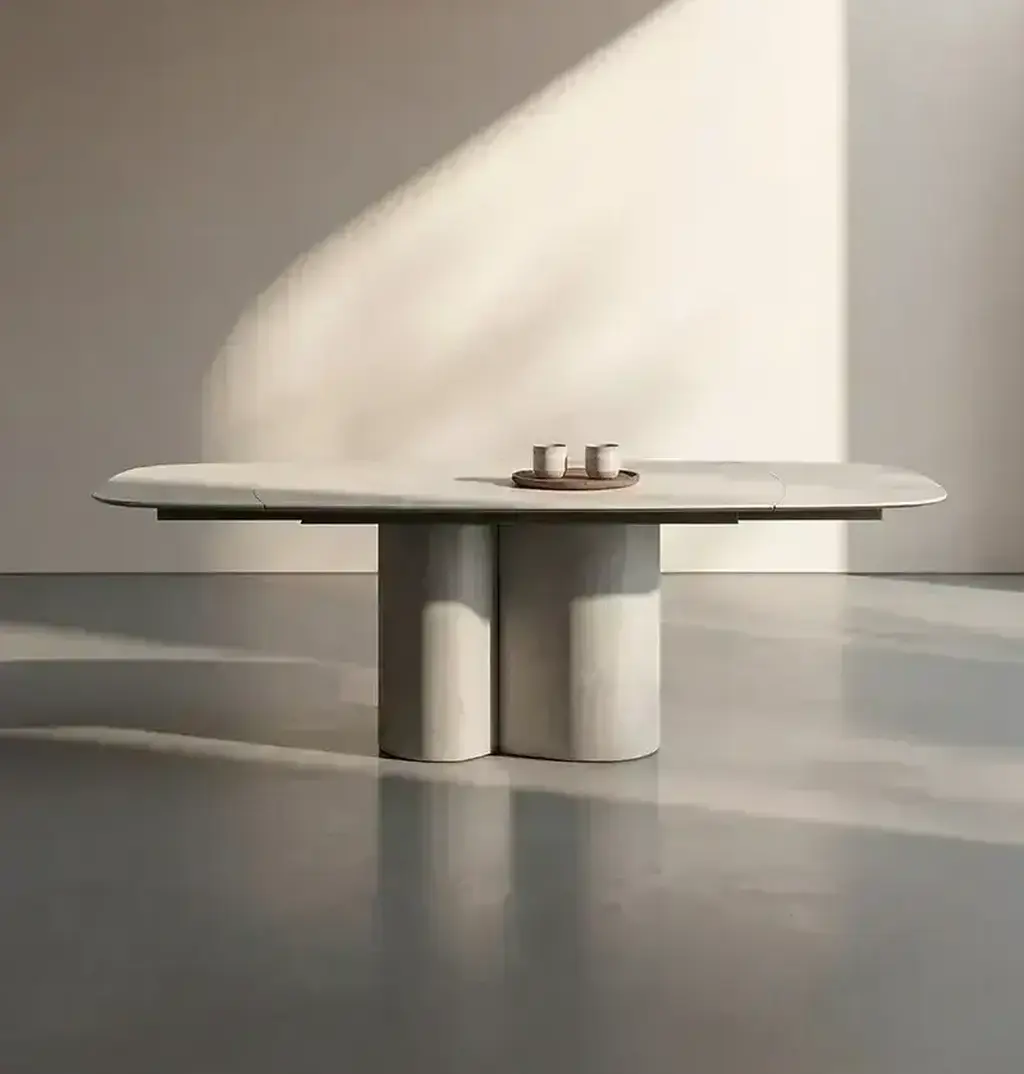
Pointhouse’s Koi table combined functionality with a more sculptural approach to workplace and hospitality furniture. Defined by its central intersecting base and soft curved forms, the collection brings a strong visual presence while remaining highly adaptable through a range of shapes, finishes and extendable configurations. The piece reflected a wider move towards furniture that balances practicality with more expressive and residential-inspired design language.
Cinta Chair, REDDIE
Koi, Pointhouse
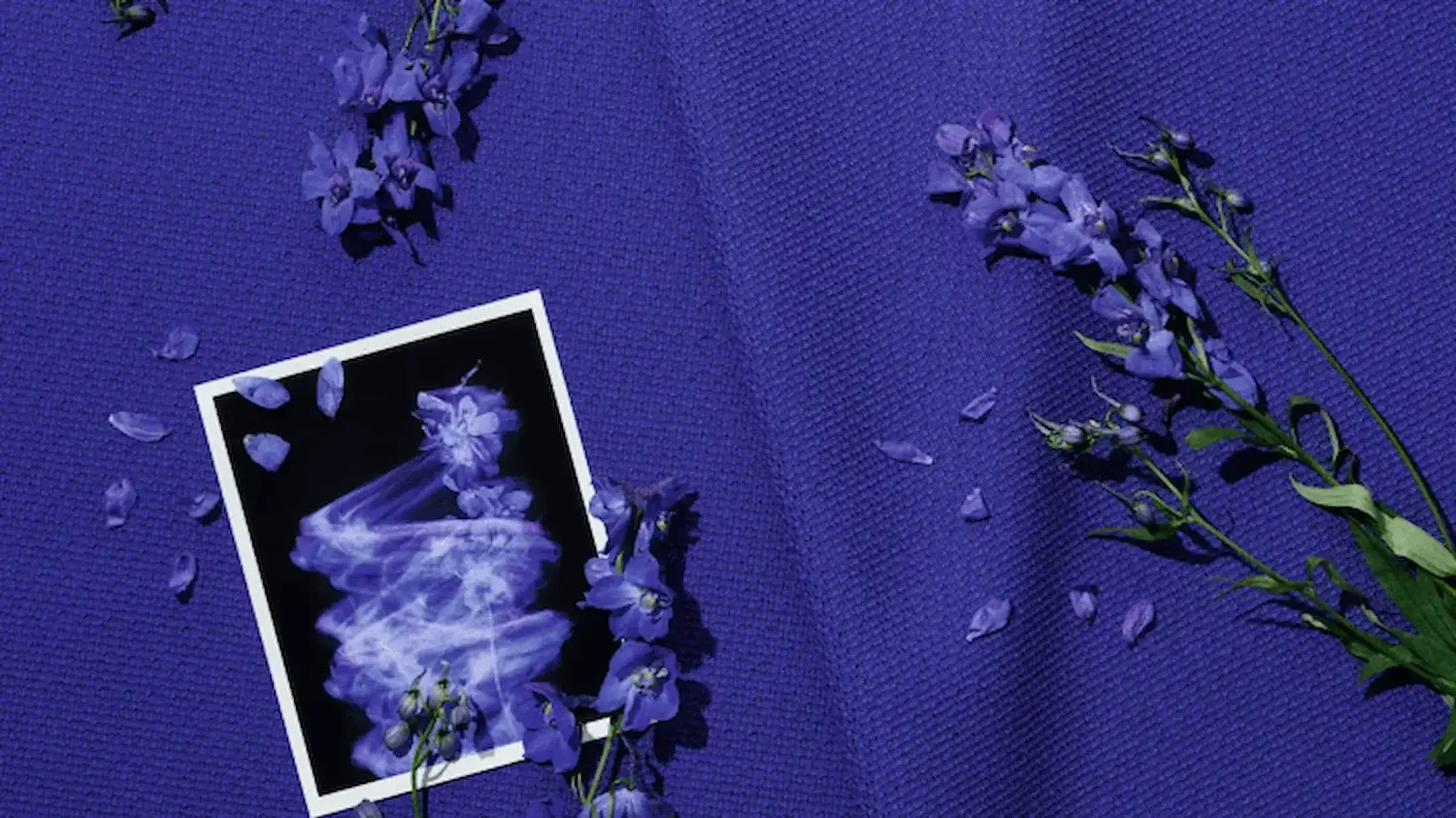
Twisted Flower, Kvadrat
Twisted Flower, Kvadrat
Kvadrat’s Twisted Flower upholstery introduced a richer and more tactile material palette to this year’s fair. Combining a textured surface with an organic, almost hand-crafted appearance, the textile brought warmth and depth to interior applications. As workplaces continue to adopt more residential cues, fabrics like Twisted Flower demonstrate the growing importance of tactility and sensory experience within commercial environments.
Coltre Sofa Series, Muuto
Muuto’s Coltre Sofa Series, designed by Studiopepe, combined sculptural forms with soft, quilted upholstery inspired by draped blankets. The modular system balances comfort and flexibility with a strong visual identity, while removable covers and FSC-certified timber frames reflect a more considered approach to longevity and material use.
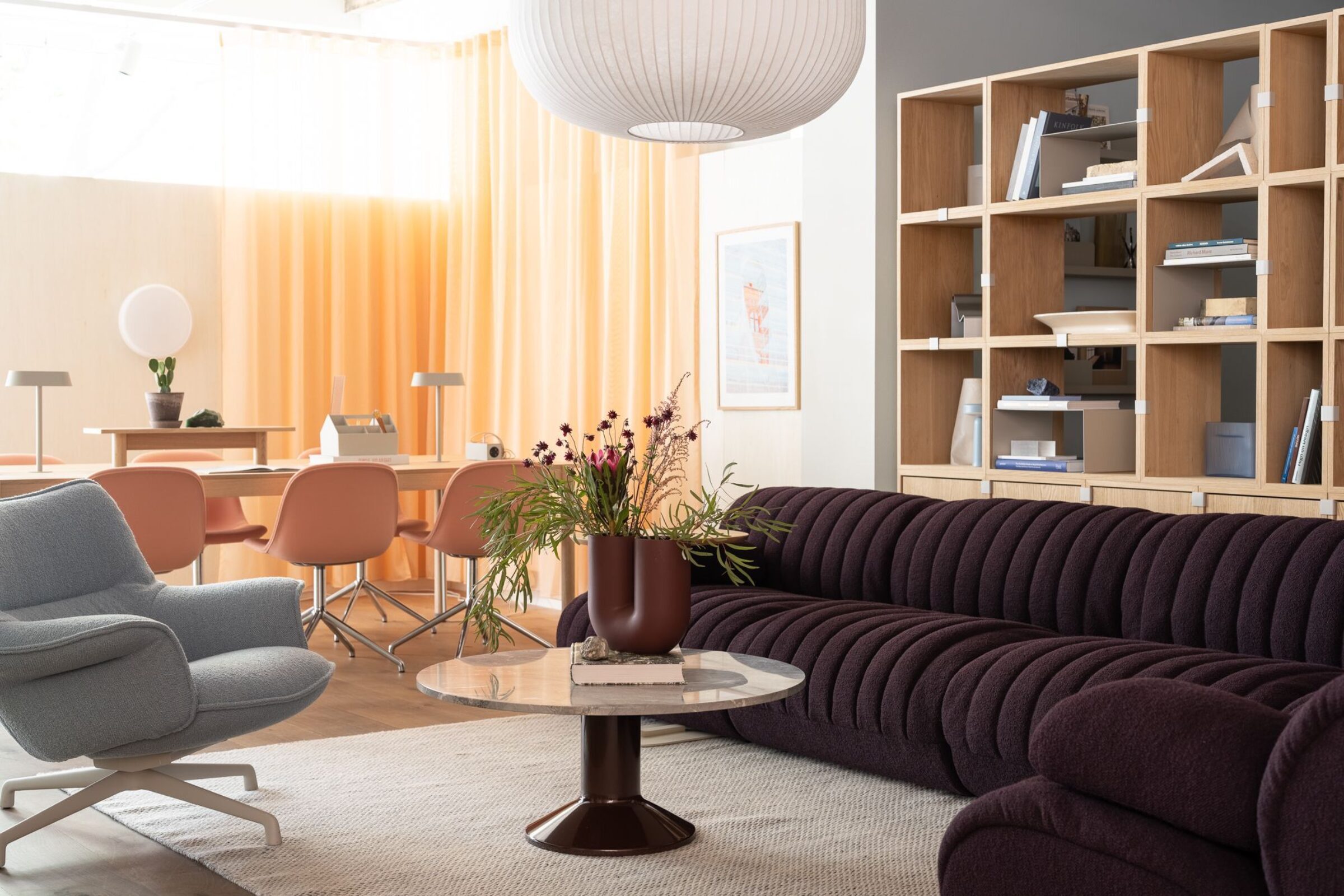
Coltre Sofa Series, Muuto
Aarea, Teknion
Designed by Pearson Lloyd for Teknion, Aarea combines ergonomic performance with a more lightweight and material-conscious approach to workplace seating. The chair’s knitted back is produced using retrieved marine plastic and manufactured to size, reducing both virgin material use and production waste. With its minimal component design and repairable construction, Aarea reflects a growing focus on longevity, adaptability and circular thinking within workplace furniture.
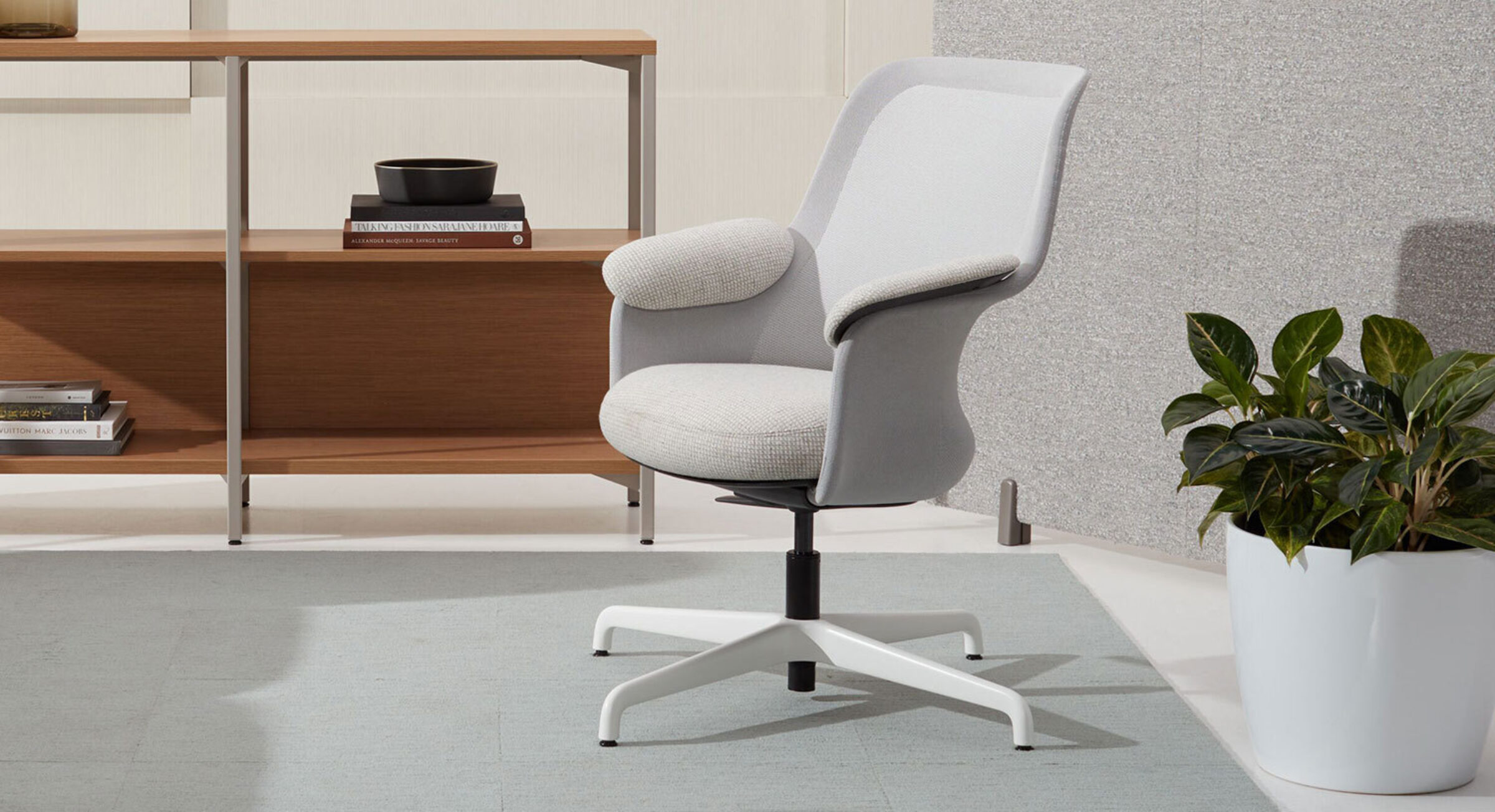
Aarea, Teknion