17.07.25
3 DAYS OF DESIGN 2025 INSIGHTS
Download report
Stay on top of current and emerging trends and keep up to date with interesting articles and events.
Copenhagen’s 3 Days of Design 2025, held from June 18–20, once again turned the city into a dynamic platform for global design. Under the theme Keep It Real, the festival placed authenticity, material awareness and adaptability at the forefront—spotlighting tactile finishes, modular systems, and playful silhouettes that respond to how we live now. Read on for the themes and highlights that stood out to us.
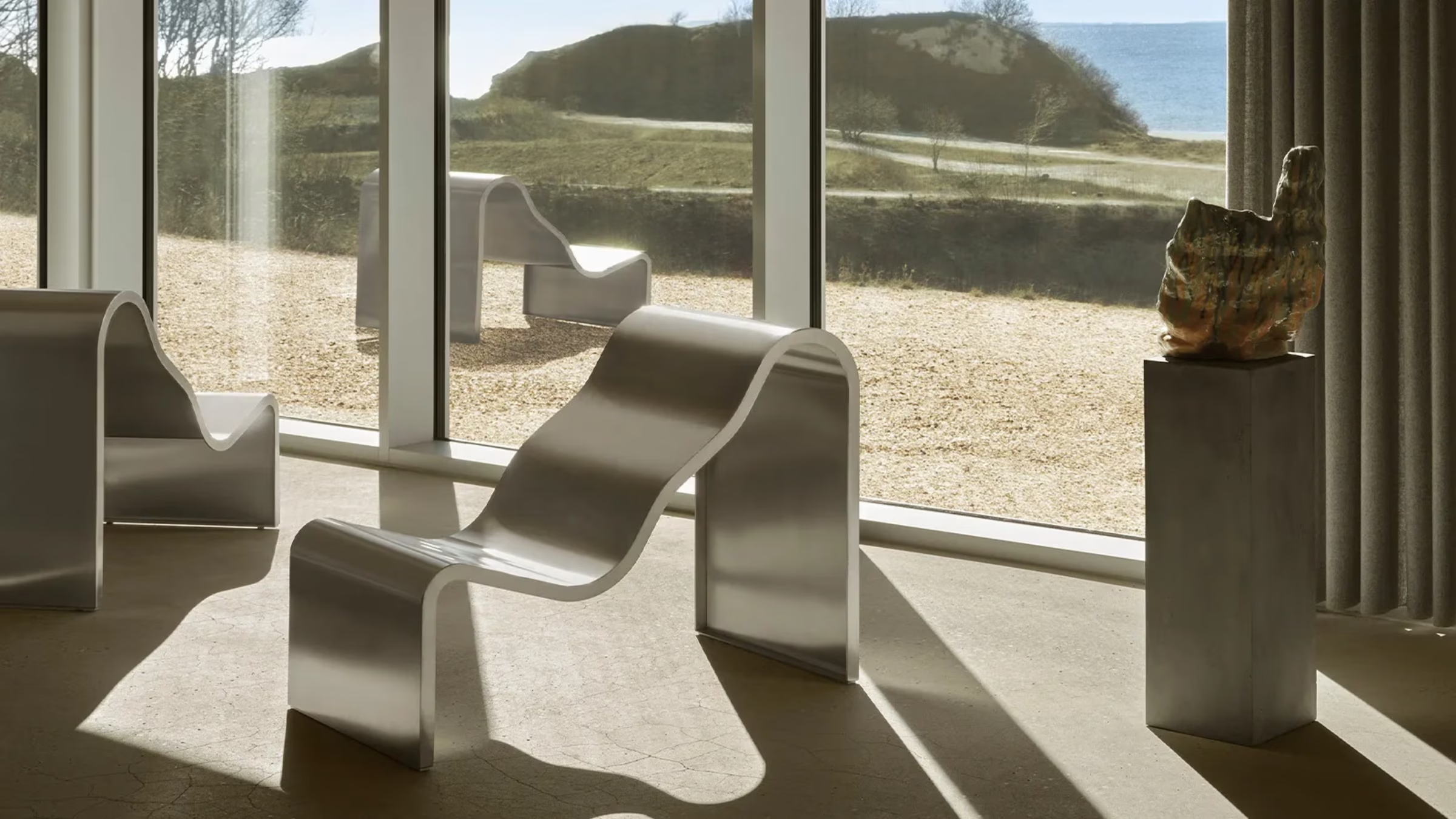
Dream View Bench, Muuto Dream View Bench, MuutoDream View Bench, MuutoDream View Bench, MuutoDream View Bench, MuutoDream View Bench, MuutoDream View Bench, MuDream View Bench, MuutoDream View Bench, MuutoDream View Bench, MuutoDream View Bench, Muutouto
Colour with character
This year’s fair saw a more expressive use of colour, applied with clarity and intent. Soft baby blues and rich burgundy and aubergine tones emerged as standout shades, bringing calm, depth and a sense of mood to sculptural forms and generous silhouettes. These hues were used to soften volume, add contrast or define character. Alongside them, dusty yellow, olive, cream and muted pinks added warmth and variation, showing how colour continues to shape tone and atmosphere without overpowering the design.
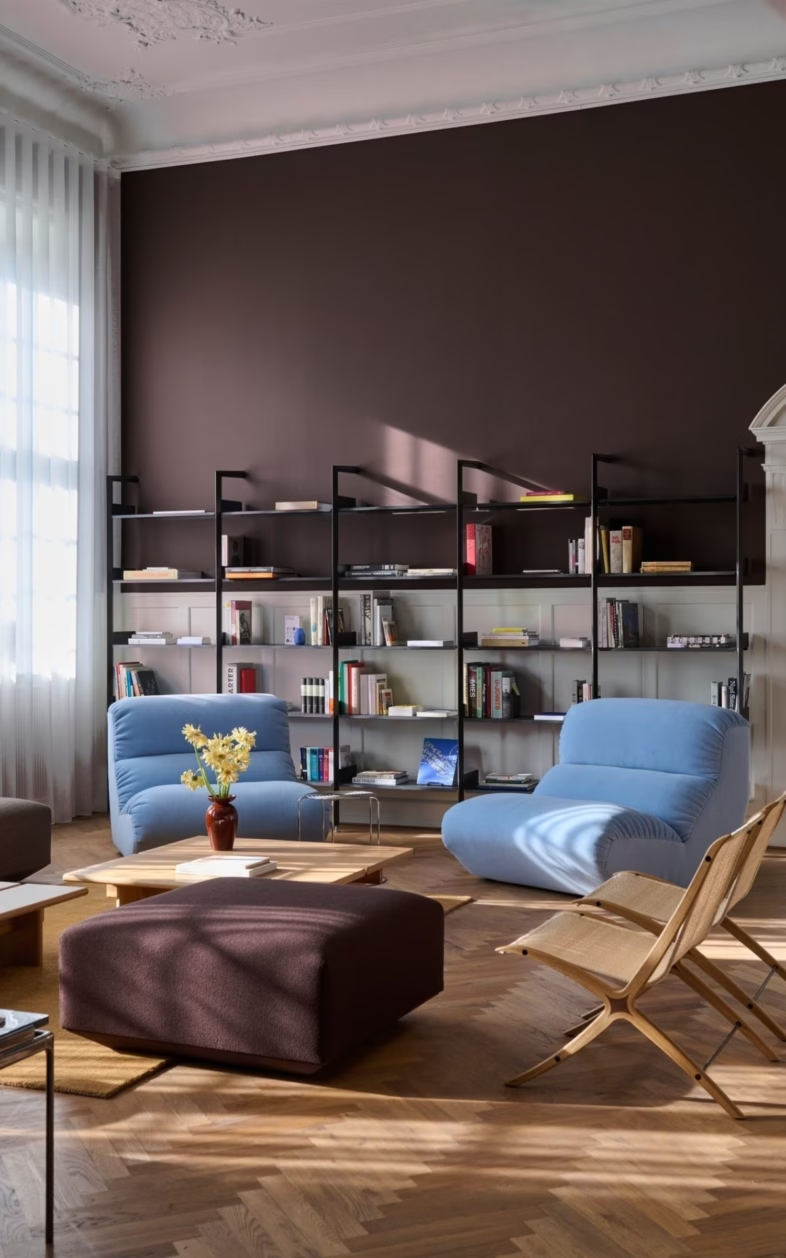
Hi Lo, &tradition
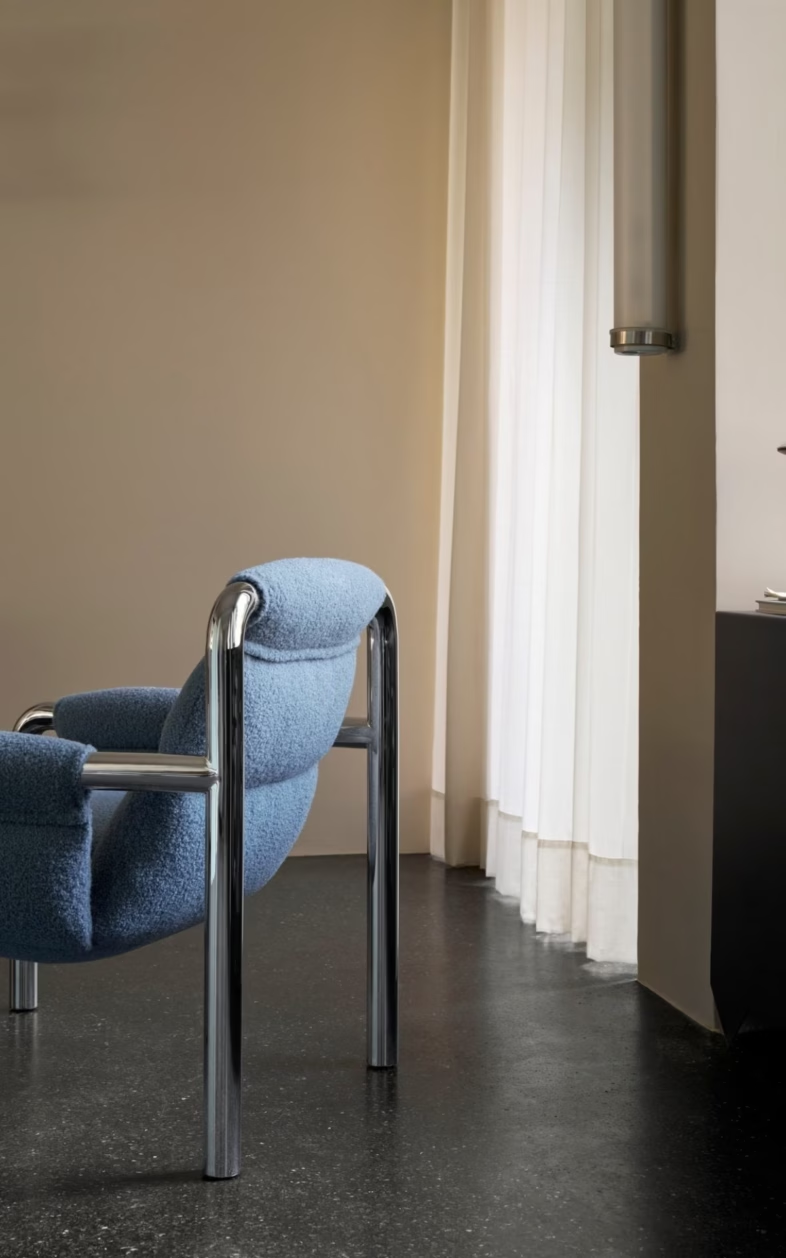
Atli Lounge Chair, Wendelbo
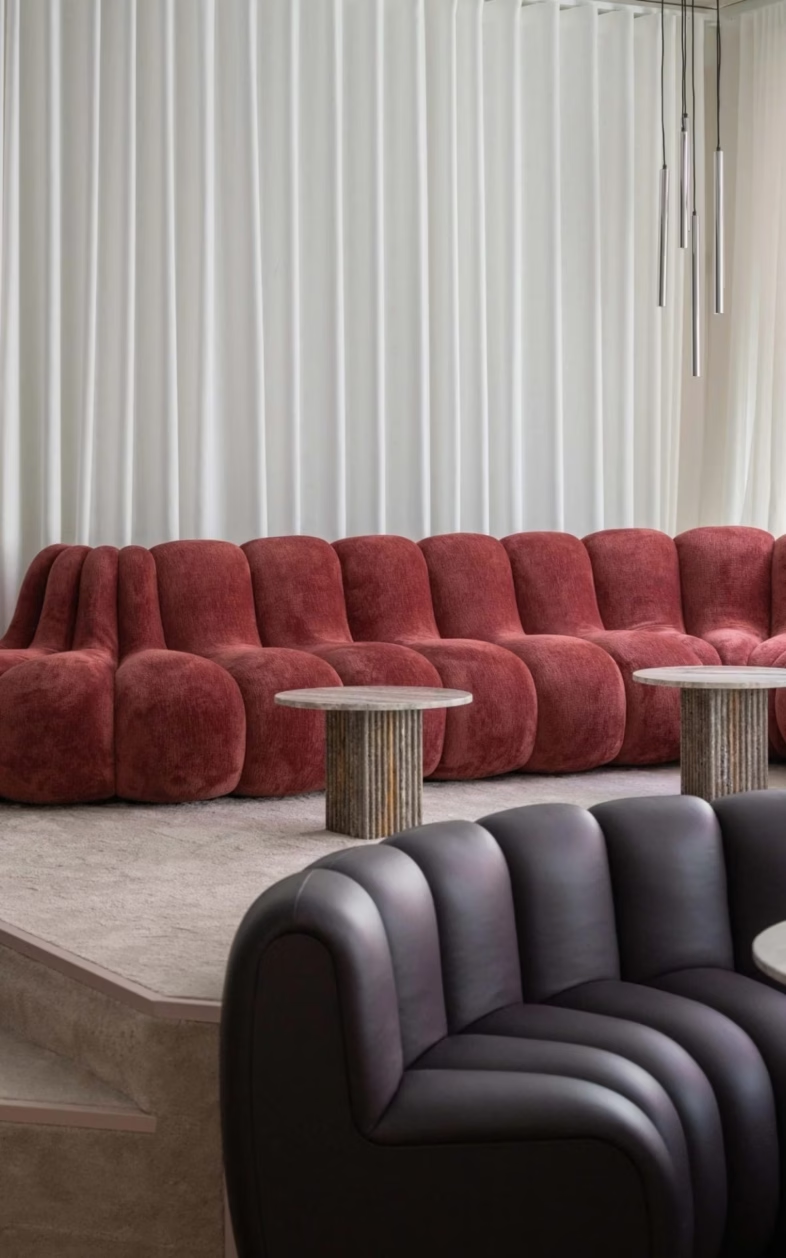
Jagger Sofa, Norr 11
After Series, Fritz Hansen x Michael Anastassiades
Hi Lo — &tradition
In soft blue velour, the Hi Lo series by &tradition offered a calm, tonal take on low-slung lounging. Its sculptural silhouette and enveloping cushions feel distinctly retro, but the colour palette brings a contemporary lightness.
Atli Lounge Chair — Wendelbo
Upholstered in a soft baby blue, the Atli Lounge Chair by Wendelbo brought a cooler tone to this year’s palette. Its oversized tubular steel frame and sculpted, padded form strike a confident balance between structure and softness.
Jagger Sofa — Norr 11
Shown in a deep burgundy velvet as part of the I AM Vibrant exhibition, the Jagger Sofa by Norr 11 brought saturated colour and bold curvature into focus. Its modular form—generous in scale and softly sculpted—made a strong case for statement seating, where richness of tone is as integral as shape.
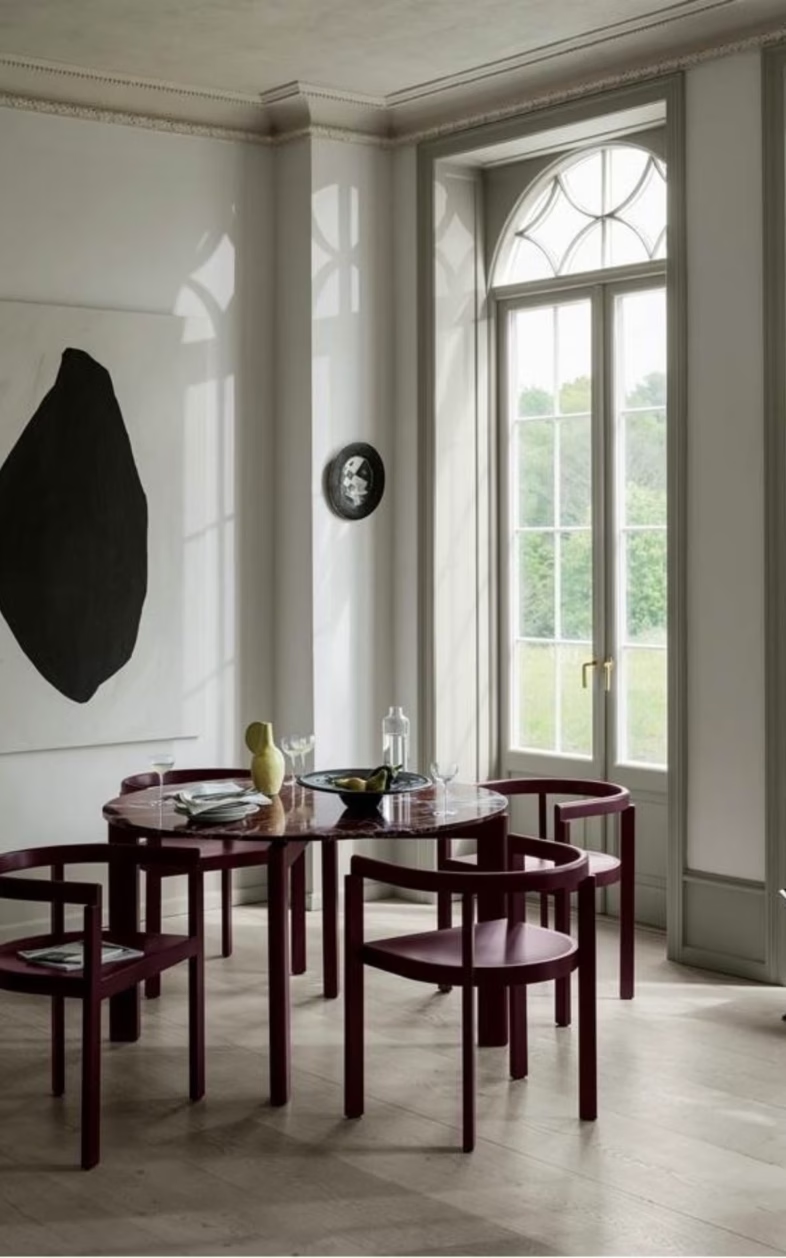
After Series — Fritz Hansen x Michael Anastassiades
Presented in deep Burgundy Lazur, the After chair by Fritz Hansen and matching table bring a rich tonal expression to the otherwise understated series—combining elegant curves in ash with a wine-hued finish and leather cushions.
1970s design, reimagined
A confident revival of 1970s design language could be seen across the fair. Low-slung profiles, curved edges and textured upholstery were reinterpreted with clean detailing and updated materials. Designers focused on comfort and sociability, using bold forms and warm finishes to create furniture that feels familiar but refined. Some pieces were faithful reissues from the archive, while others offered a more subtle reference—proving that the era’s relaxed, characterful approach to living still has relevance today.
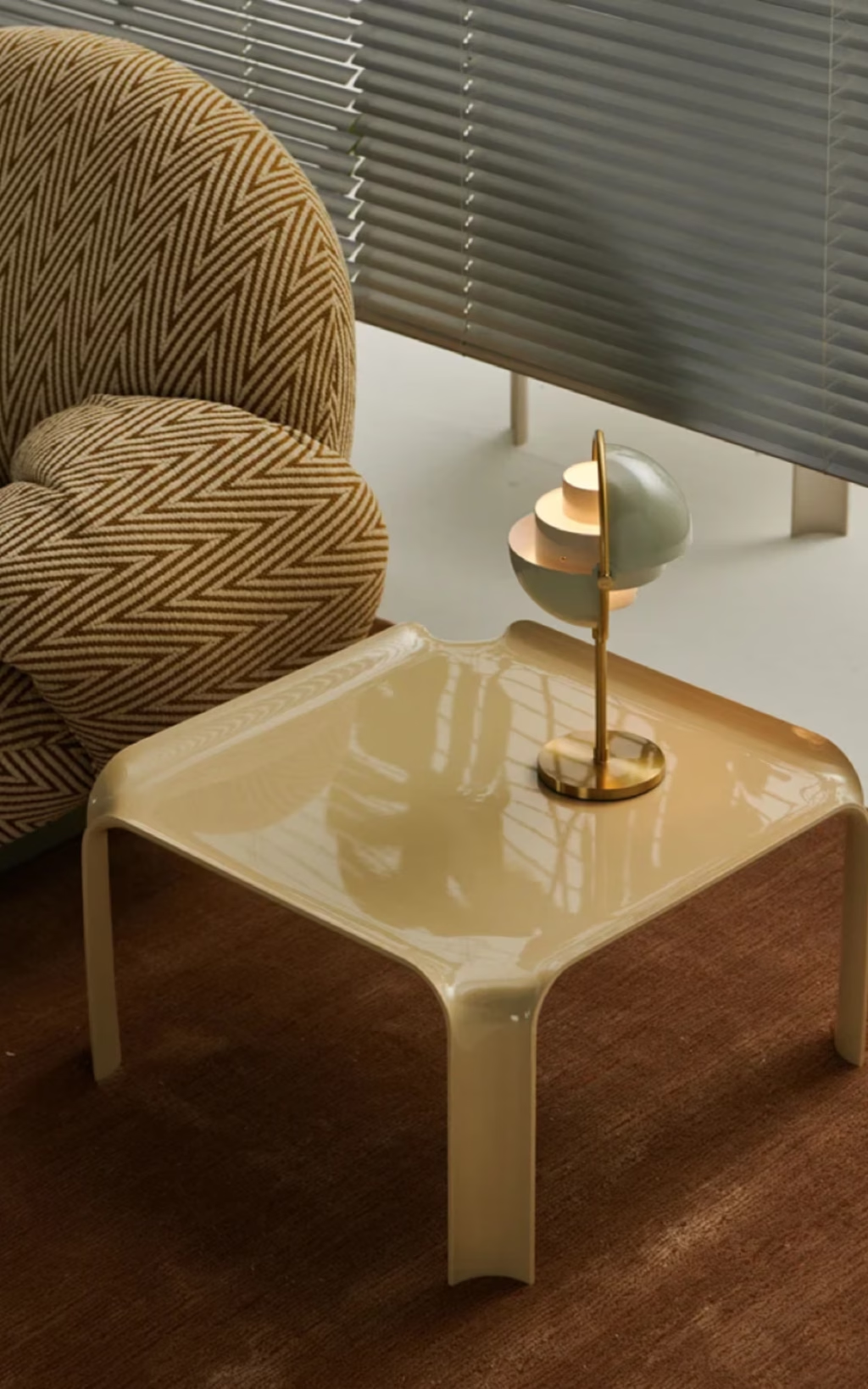
T877 Side Table by Gubi
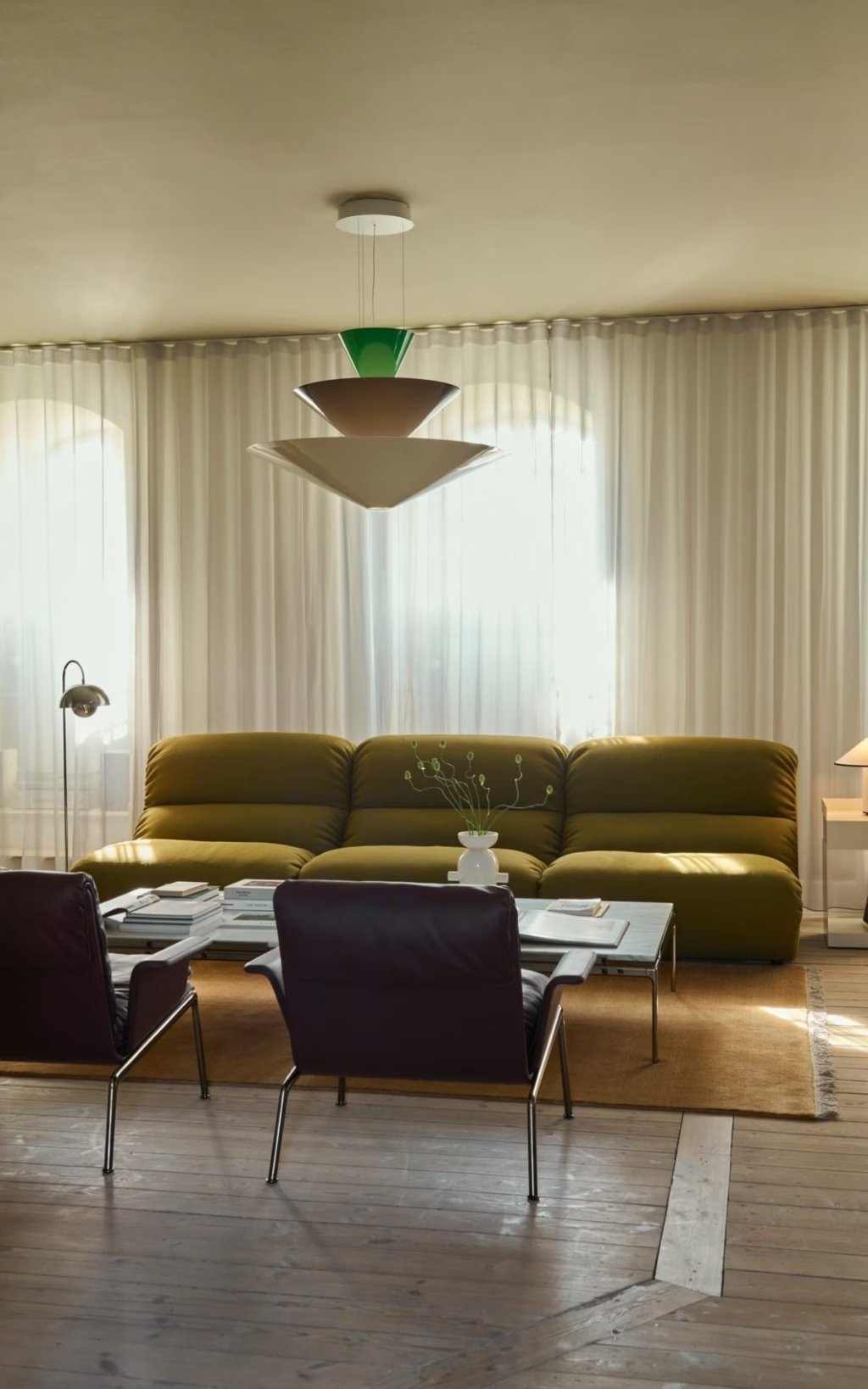
Hi Lo by &tradition
T877 Side Table — Gubi
A quiet standout from the fair, the T877 by Gubi revives Paulin’s 1970s vision with sculptural ease. Originally designed to pair with his F300 lounge chair, it captures the decade’s fascination with fluid form and futuristic materials. Now reissued in HiREK® —a polymer made from recycled plastic waste, and finished in softly nostalgic tones, it brings retro elegance into sharp, contemporary focus.
Hi Lo — &tradition
Referencing the sunken lounges of the 1970s, Hi Lo by &tradition is all about softness and sociability. Low, sculptural forms are paired with velour and bouclé upholstery, creating an inviting sense of ease. It’s a contemporary take on communal lounging—designed for slower moments and shared spaces.
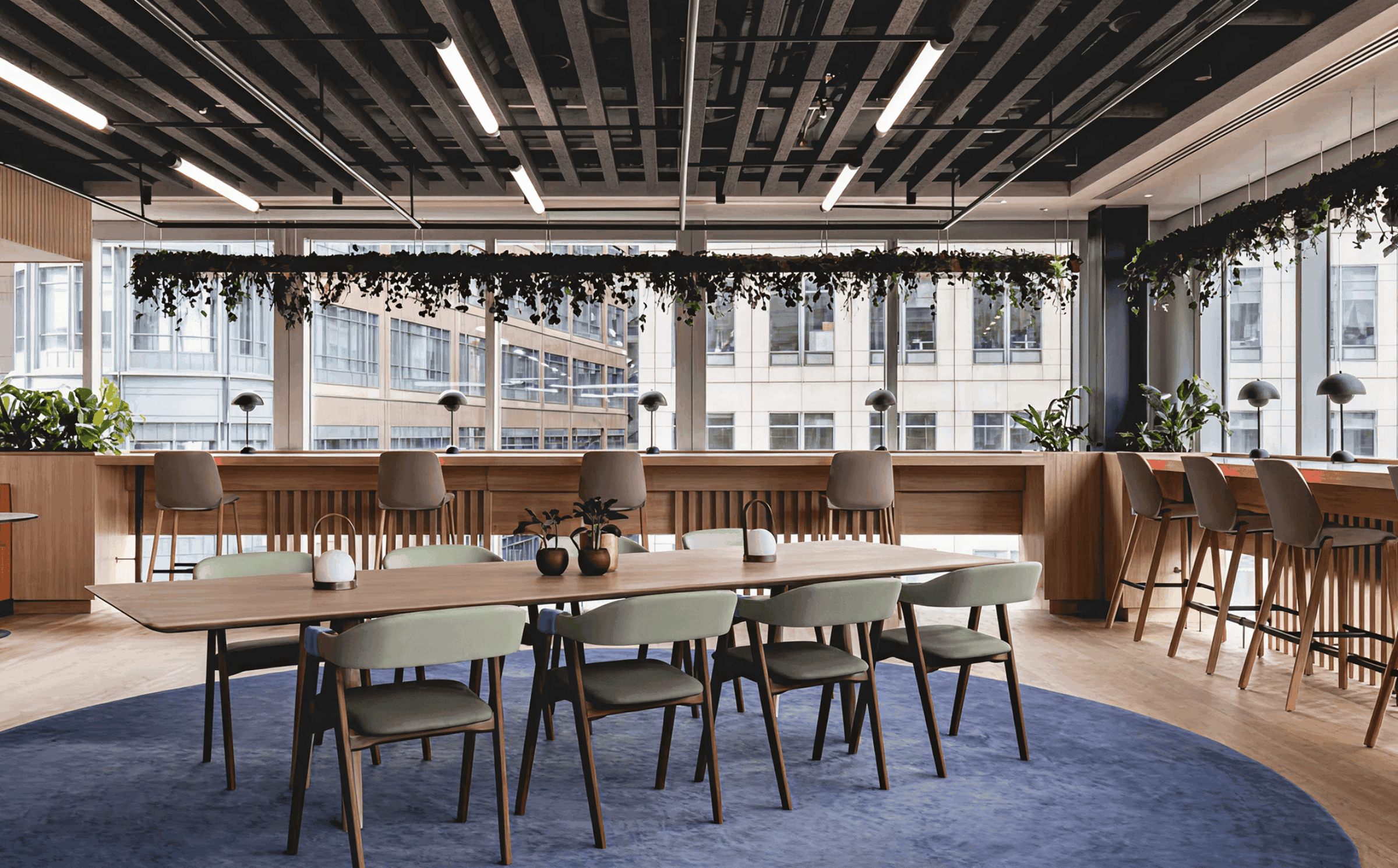
RAY WORK CHAIR, BRUNNER
Designed by Mogensen in 1958.
Wassily Chair – Knoll
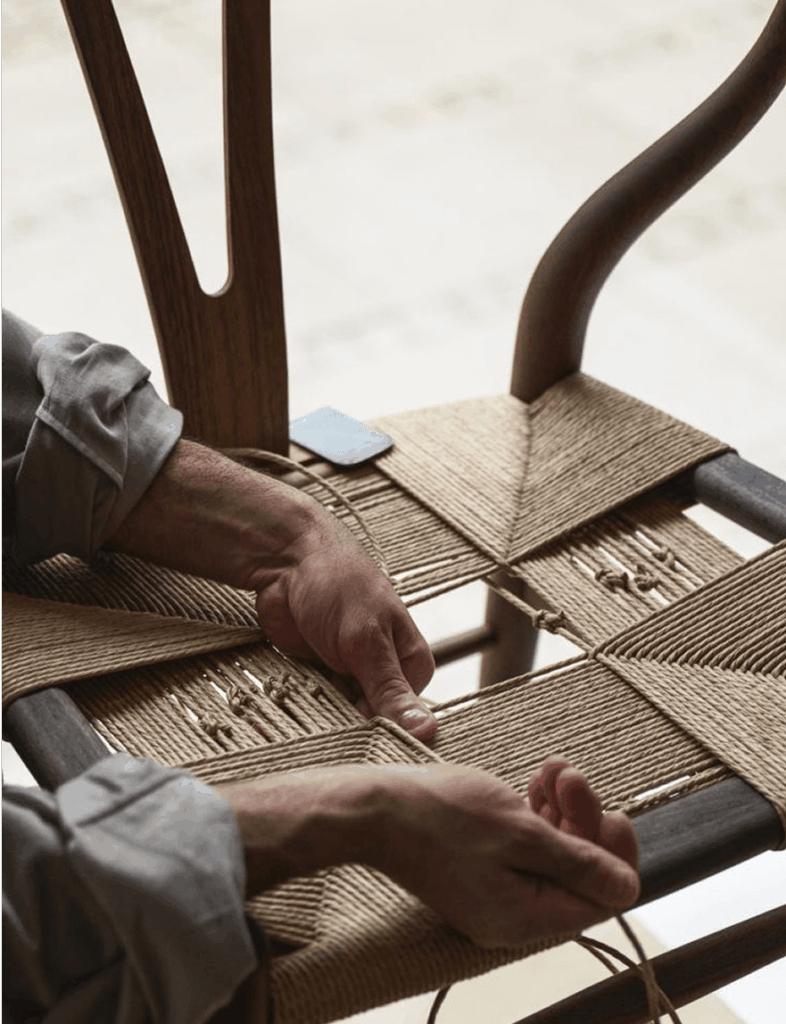
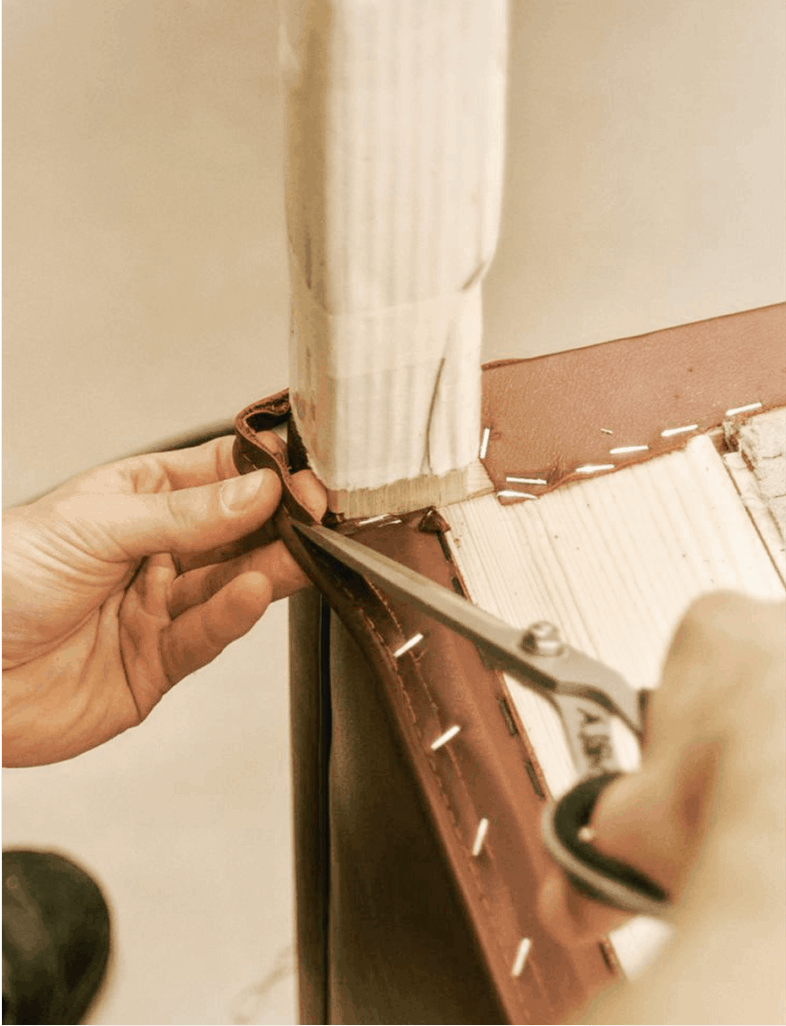
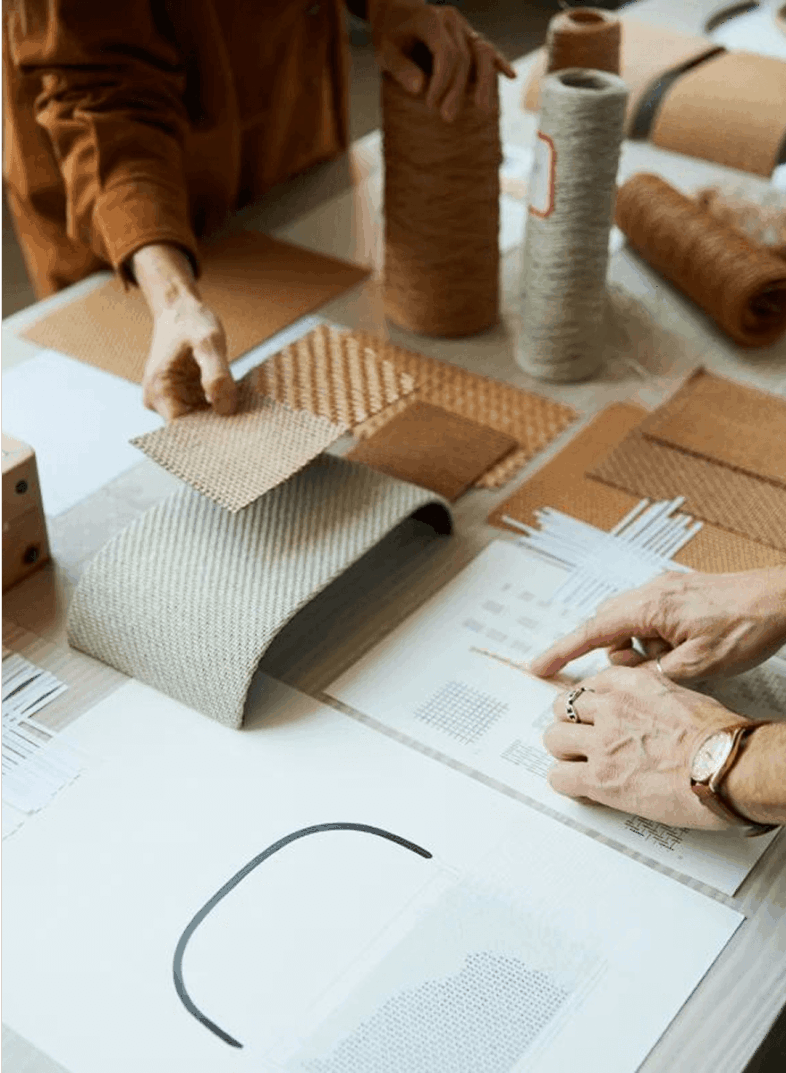
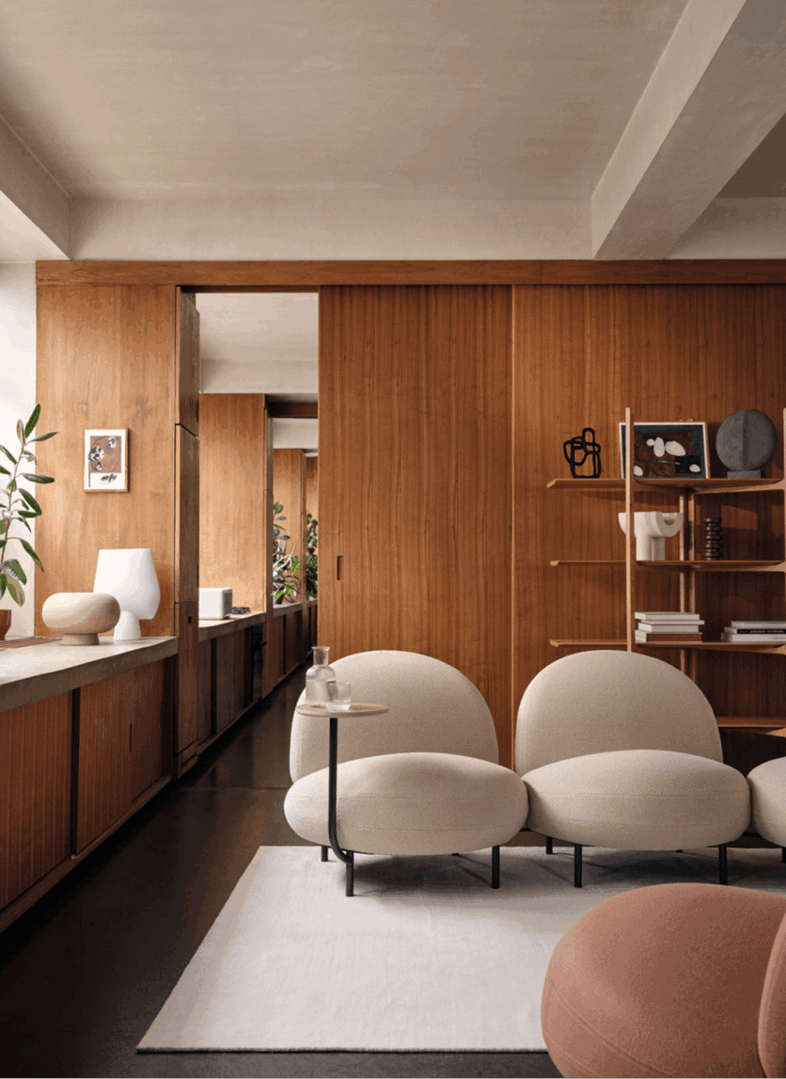
Toe Chair, Temple Table and Foku Lounge Chair – 101 Copenhagen
Designers Kristian Sofus Hansen and Tommy Hyldahl showed a range of pieces for Danish brand 101 Copenhagen, offering furniture that drew on references as diverse as 70s Space Age to Japanese zen gardens. Although their inspirations may have been diffuse, Hansen and Hyldahl’s approach was consistent, luxuriating in high-quality materials and beautiful sculptural forms that will endure through time: their Toe chair is voluminous and beckoning, pairing well with the more geometric, mysterious forms of the Foku seating range. The Temple coffee table, meanwhile, is a simple play between two limestone blocks, but one that draws interest through its contrasting polished and rough textures – an enduring celebration of material.
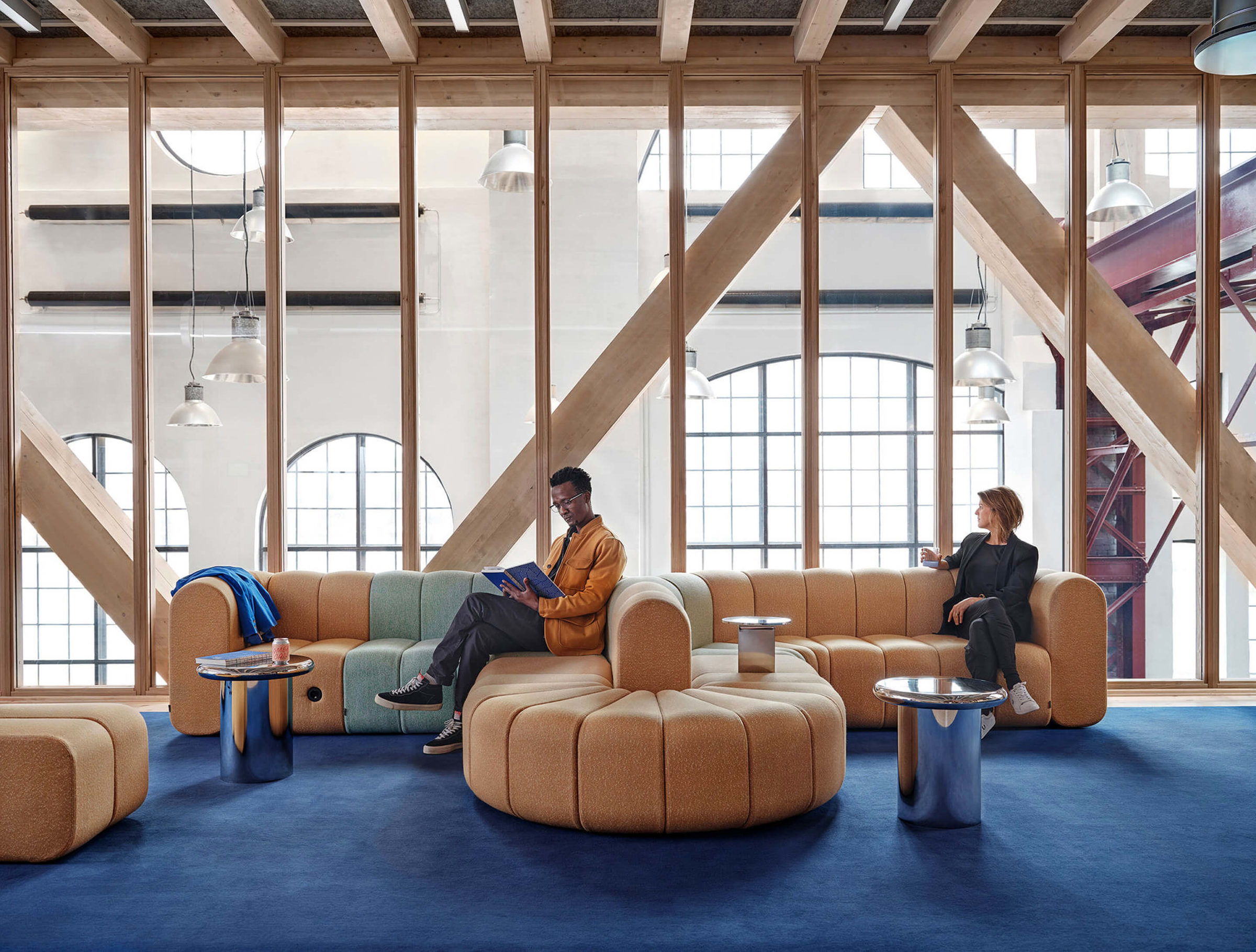
FOKU LOUNGE CHAIR, 101 COPENHAGEN
Designed by Kristian Sofus Hansen and Tommy Hyldahl.
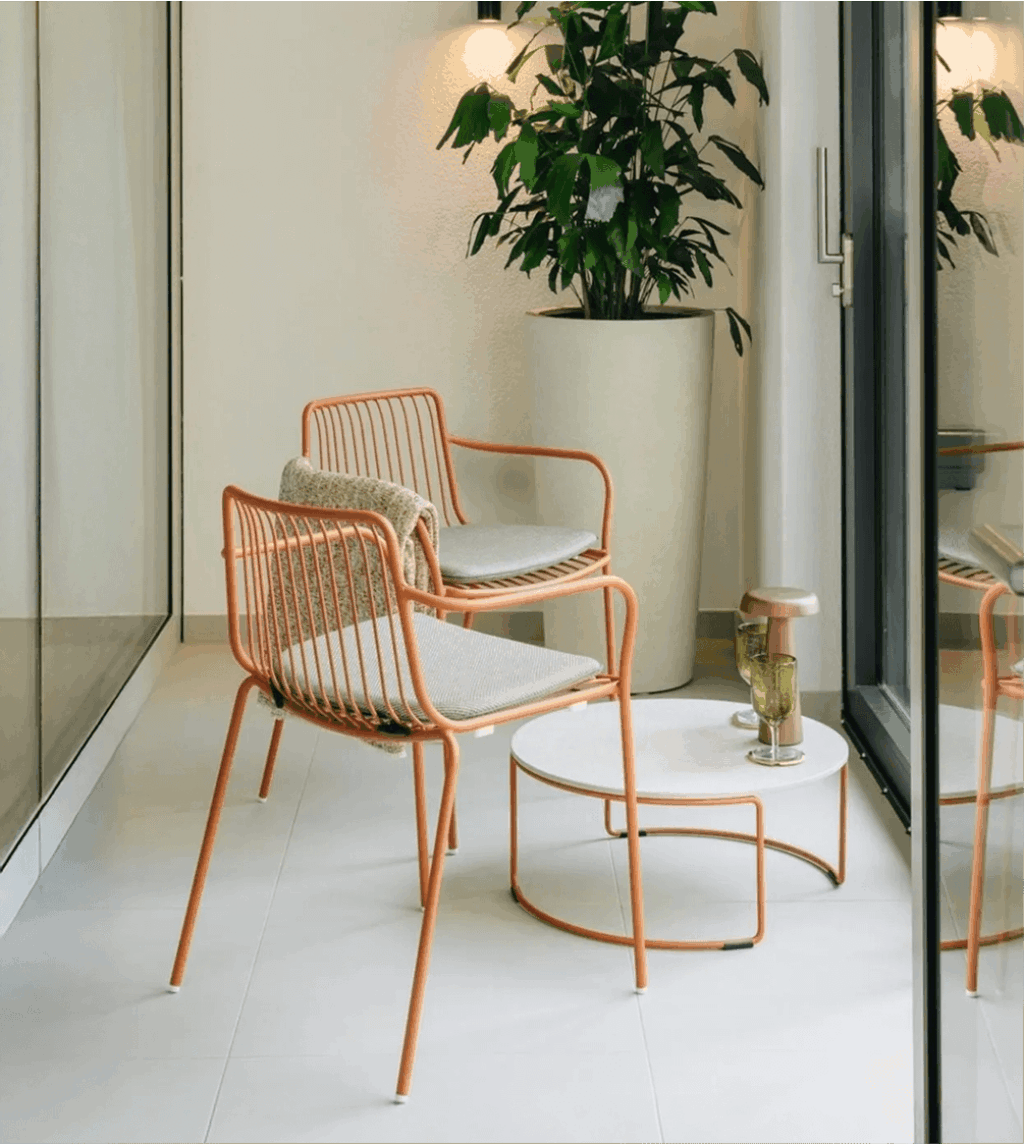
TOE CHAIR, 101 COPENHAGEN
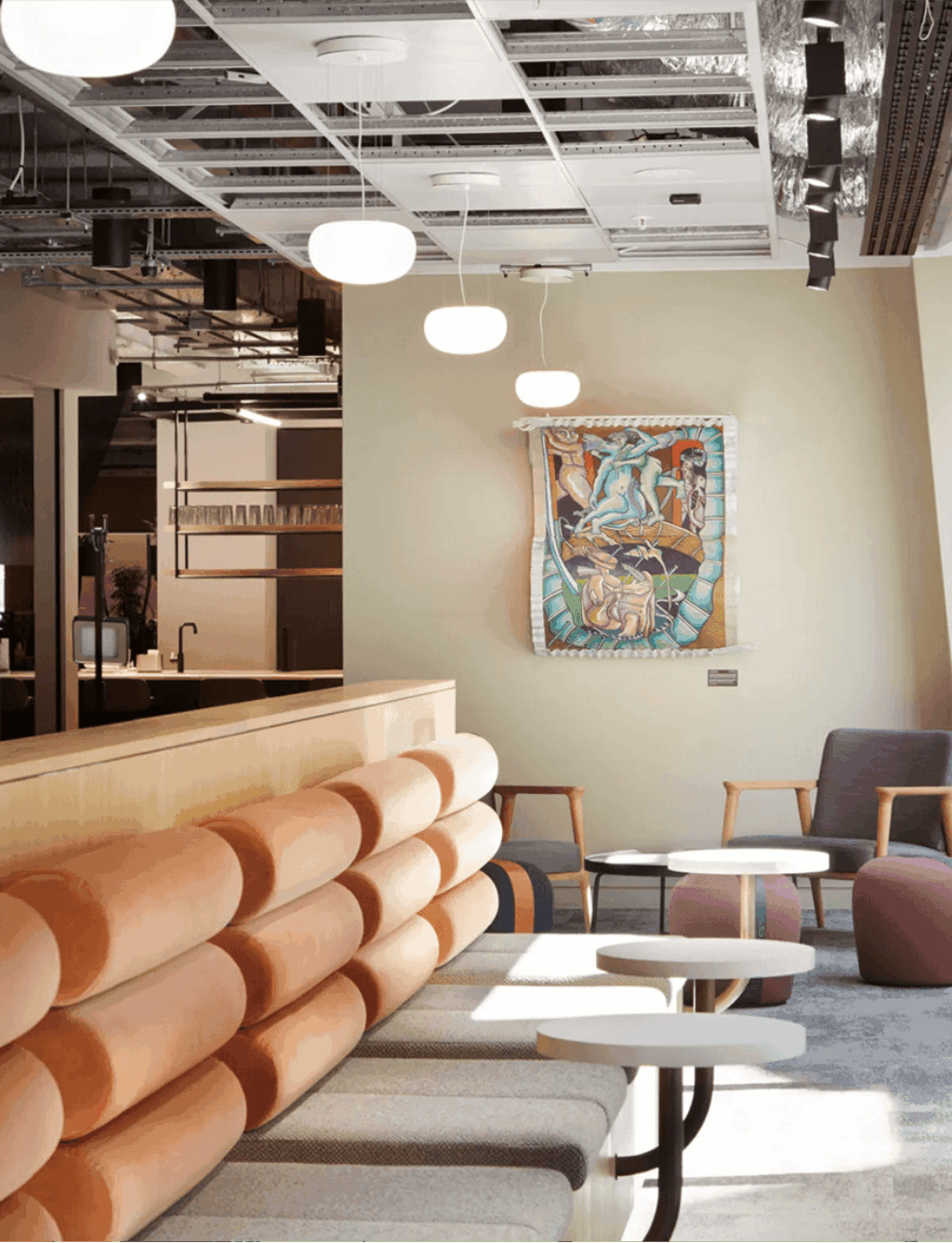
TEMPLE TABLE, 101 COPENHAGEN
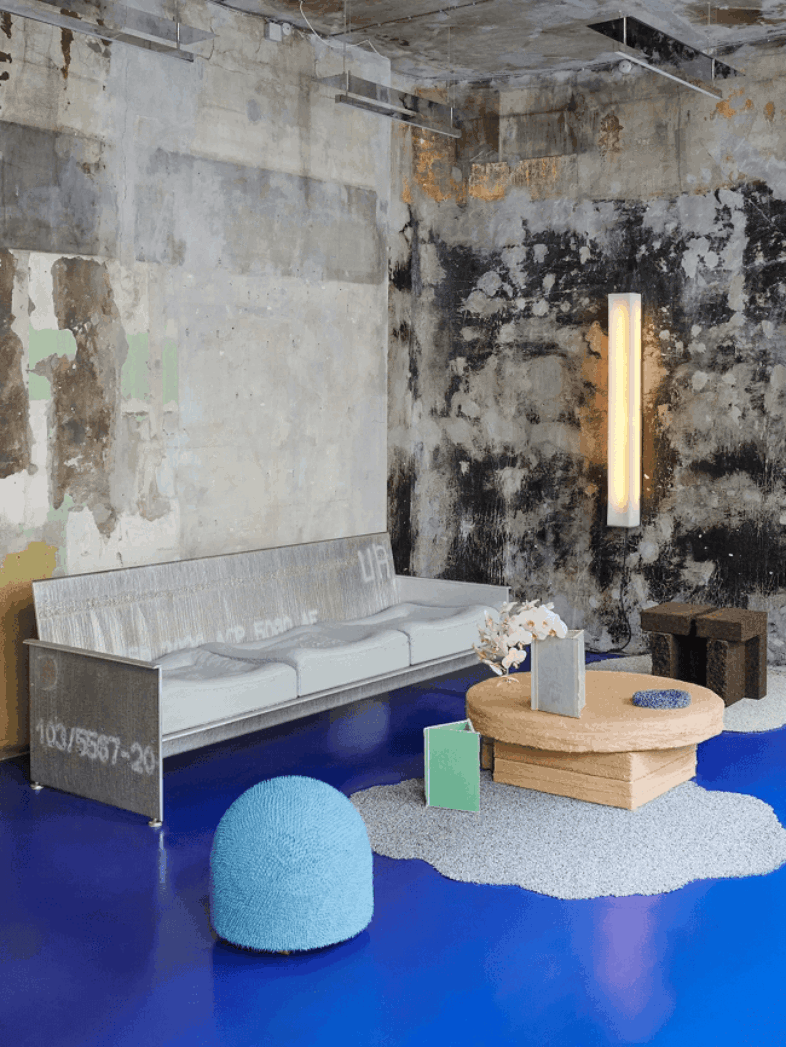
STOCKHOLM DESIGN 2024 INSIGHTS
Explore key insights with TFP's 2024 Design Debrief
STOCKHOLM DESIGN 2024 INSIGHTS
Explore key insights with TFP's 2024 Design Debrief
STOCKHOLM DESIGN 2024 INSIGHTS
Explore key insights with TFP's 2024 Design Debrief
THE FURNITURE PRACTICE DESIGN DEBRIEF 2024
Explore key insights with TFP's 2024 Design Debrief